Delegate Authority, Not Tasks


Delegate Authority, Not Tasks: Lera Kooper on Outgrowing Your Own Role
Meet Lera Kooper
Luke Frye 00:00
All right, welcome to the *Canopy Practice Success* podcast. I’m Luke Frye, the accountant in residence here. And this is segment two with our invincible Lera Kooper.
So Lera, welcome back.
Lera Kooper 00:22
Hello, thank you for having me.
Luke Frye 00:25
And just so everyone knows, in case they missed the first episode, just tell us who you are and where you are.
Lera Kooper 00:32
Sure. So, Lera Kooper, owner and COO of Accountability Services. Personally located just outside of Seattle, but we have a presence nationwide. We have team members nationwide, so we are not geographically limited by any means.
Six Years of Restructuring Her Own Role
Luke Frye 00:55
I love it. I love it. Well, it’s great to have you here.
And on this segment, we’re going to talk about energy and workload as a manager, and the idea that most firms and owners delegate tasks but not authority. In your background, that means you approach your workload the way you approach any inefficient system: map it, audit it, redesign the parts that are unsustainable.
So we’ll go over some questions, we’ll go over some predictions, and we’ll wrap up for the next segment.
Lera Kooper 01:30
Okay.
Luke Frye 01:32
Okay. So, first question. How have you restructured your own role over time to protect your energy, not just your schedule?
Why Handing Over Authority Is a Mental Challenge
Lera Kooper 01:40
That is a good question, and the answer is still in development.
So we started this project about six years ago at this point. I’d been in the industry longer, knowing that we wanted to go in and modernize the firm experience. So my role over the last six years has changed a lot. Anywhere that the business needed the most attention, that’s where my focus was. It first started with departmentalization, and then productization. And then as we brought in other team members, or we brought in a third partner, they kind of took over a department, authority over a department. It’s your partner, so you trust them.
Handing authority over to team members, I think that’s more of a mental challenge than an actual challenge, because when it’s your baby, you envision it in a certain way. But realistically, I have come to accept that, one, it’s better to be in a room full of people that are smarter than you. I would much rather that, because it’s so much more effective. But also, a lot of people have good ideas that are different than mine.
And so in handing over authority, it’s really challenged me to be clear about the result that I want rather than the pathway that I want to get there. Because if it’s the result that’s obvious, I don’t really care how it’s handled, as long as it’s ethical, obviously.
And so it’s really challenged me to have more clarity around the direction that I give, the KPIs that I set, and then just kind of trust from there and then check in. Obviously, I have weekly meetings with my key people that work on initiatives that I’m closely related to. Knowing that I’ve clearly set those terms and role expectations, and then we’re working together and they’re reporting to me on them, it allows me to have the peace of mind of almost having blinders on, to just focus on my thing, trusting that they’re focusing on theirs.
So that’s been a big shift within the last year or so, and I would say a lot of it has happened in the last three months, because my time is so spoken for in other parts of the business now that I have to just be clear, trust, and check in.
Accounting Has a Role Called Controller for a Reason
Luke Frye 03:45
Right. I think it is an industry-wide problem. We have a role in accounting called controller. Literally, we want to have control over things. And especially if you’re the owner, the way you envision things to be is the way you want them to be.
But the only way to scale, it sounds like really what you’re doing, is to go make sure you have good standard operating procedures and then trust.
Getting Okay With Being Bad at the Next Thing
Lera Kooper 04:19
Yeah. And that’s the tough thing too. Everyone likes being good at something, and when you’ve done the same thing hundreds of times, thousands of times, you get good at it. But then as an owner, or as a leader within the company even if you’re not an owner, you want to use your time on the things that create the highest leverage, and that may no longer be the thing that you’re good at.
So you’re now defining good, training someone else how to handle it. And then obviously they have you for support as needed, but then you are intentionally saying, I’m going to go be bad at this next thing. Because that’s the next thing I have to get good at to grow my business.
And then you do that over and over. So you’re just constantly getting okay with being bad at things.
Luke Frye 05:05
Sure. That ties in pretty well with another question I have for you here, about what kind of work you do, or have done, that’s really draining, and how you’ve designed around it.
What Actually Drains Her
Lera Kooper 05:20
Typically what drains me is anything where I think, if this was just written down, this wouldn’t have happened, or this was so avoidable, and then doing the damage control on that.
So, anything that takes me away from what I should be doing because it’s just a day-to-day friction point, that’s what drains me. And then that’s why you have SOPs and trainings and clarity within the business. Because half the time it’s a friction point because I never documented it, or because I never defined good.
Luke Frye 05:55
Okay. So it sounds like making an SOP actually is not a draining thing for you. I imagine, for a lot of people out there, making an SOP would be one of the most draining things.
SOPs as Burnout Prevention
Lera Kooper 06:05
I think you can make it draining. It can be very simple. You can record a Loom video and you can document it. You can take some screenshots and this is how I check the status of an extension. It can be so simple.
I think you have to weigh the cost of documenting an SOP and the cost of process not being followed. So it’s like, I can’t personally onboard every single client, which means I have a Canopy task that is new CAS client onboarding with 30 subtasks and assignees based on who within the firm handles it. So I can look and hold people accountable: did you do what you’re supposed to do within the due date that you’re supposed to do it?
But unless that process was documented, I would still be doing the work. Or I would be miscommunicating it to somebody. So I think it sets you up to not be drained, to have those things in place.
Luke Frye 07:20
For sure, for sure. That leads in pretty well here, so we’ll just double click on that.
How do you separate “only I can do this” from “I’ve always done this”?
“Only I Can Do This” vs “I’ve Always Done This”
Lera Kooper 07:30
Professional judgment or experience, typically. If it’s something I can define, whether I’ve always done it or not, someone else can do it. Even professional judgment can be trained.
There’s a lot of quick calls that I make within the business, because even handling an escalation, something went wrong with the client, usually comes to me. I literally within the last two weeks have started documenting, here’s how I’m responding to this particular client and why. Some people love an over-explanation of processes. Some just want a direct answer to their questions. There’s such a human nuance to it.
And I can’t always be the one that the majority of escalations go to, which means I have to train other people to do it. And so even that is a case of professional judgment and experience, but really that’s something I’ve just been lazy about training with this particular type of activity that can be passed on.
Luke Frye 08:20
Maybe you could talk a little bit about what a sustainable week looks like for you now versus what it may have looked like a few years ago.
Lera Kooper 08:28
Define sustainable.
What a Sustainable Week Looks Like Now
Luke Frye 08:35
I think that’s the beauty, right? Anyone who runs their own firm gets to evaluate their own energy and see, can I keep doing this at this level? And there’s probably certain things you do when you’re either in growth mode or in tax season or busy season, whatever industry within accounting you may be focused on.
So I guess, what does sustainable mean to you and for your people?
Right Seat, Right Activities, Clear Expectations
Lera Kooper 08:52
Sustainable to me, really, it’s avoiding burnout. I think some people burn out because of hours, and some people burn out because their energy’s going to the wrong things.
Because if I was dealing with escalations all day, every day, I might burn out. If I’m working on looking through our client list for opportunity and upselling them, and having conversations with them about how we can help them move their business or personal circumstances forward, that’s fun. And so I could do both for 40 hours but have more energy at the end of the day, having done one.
So I think sustainability within the firm comes from making sure your people are in the right seat, doing the right activities. What are they good at? What do they love doing? Because that’s the thing that they’re going to spend time improving on. It’s just going to show that they enjoy it and that they will improve. So I think right seat, right activities per person, that creates a sustainable work environment.
And then also clarity of expectations. I’m the type of person that if we need something done in the business, I’m up at night, so I’m like, how do we get this done within the next 24 hours? And then I talk to my partners and the conversation is, well, this is like a four-month project, or this is really a 12-month endeavor. And now I feel like, man, I’m on vacation.
So I think expectations and clarity go a long way in creating a sustainable work environment, because every individual will interpret an expectation differently, and our job as owners is to define reality for the team and for just what the business needs.
Luke Frye 10:45
That’s a really good point. There’s the Brené Brown idea that being clear with people is a form of kindness, and being unclear is not. [Line paraphrased; the original quote is garbled in the recording.] That goes for people on your level, down and up.
Is there anything that you do to make sure things are clear?
Lera Kooper 10:58
Yeah. And something I’m working on now, because I think business owner brain is every good idea you want to pursue. So I’m personally working on just focusing on the boring habits, doing the thing that works consistently, and being okay with saying no to good ideas.
And so that’s something I’m trying to be transparent about with the team, because anybody that’s a go-getter or an A player, they’re also going to get excited by good ideas. And I think just having the transparency there is helpful.
Lera Kooper 11:25
Can you read the questions back?
Luke Frye 11:27
Yeah, for sure. We were just talking about what does…
Lera Kooper 11:31
Do you have to re-record?
Focus on the Boring Habits
Luke Frye 11:33
No, this is okay. We were just talking about what a sustainable week looks like for you now versus what it may have looked like three years ago, or what maybe it will look like in three years. And then just, what does sustainability mean?
And we talked a lot about communication, clarity of expectations, probably having the right person in the right role, including yourself. So part of that may even extend to how you talk to clients and what expectations you set with them as well.
Lera Kooper 11:55
Yes, thank you.
And so I think in finding a sustainable work environment for myself, like I was saying, going back to the boring habits, the things that work. Because if you try to be good at five things, you’re probably going to fail at all of them, or be mediocre. But focusing on the thing that works, I think, takes away some of the mental fatigue, the decision fatigue of constantly being in every place.
And that of course cascades down. People have ownership over their own things. You don’t have to be in all places at once, and you just can’t grow on your own either, right? The company is not me or Dave or Ernie or anyone. It is the company. And so we have to operate very similarly firm-wide.
But personally, I expect a lot of work because I’m an owner, and nobody’s going to work as hard as someone that has a vested interest in the company. And in my mind, it’s just, this is a gritty next three years and that’s it.
My weekends are important to me. My husband, my dog, my parents, my sister, my family is important, so my weekends are very important to me. And I would much rather work long weekdays than have it stretch into the weekend. Tax season has some exceptions. We worked the last two weekends. But I think it relieves a lot of my mental fatigue when I know I’m able to keep that promise to myself. My weekends are sacred, because that’s my family.
Sacred Weekends and the Gritty Next Three Years
Luke Frye 14:15
Right, right. So for you, sustainability means something different because you’re in a pretty aggressive growth cycle. And so it is a little bit of a rise-and-grind mentality, because you have a clear vision over what you want to achieve. And as long as you’re moving toward that, that is energizing. That does give you a sense of sustainability.
Lera Kooper 14:40
Yeah. And there’s a purpose there, so then you’re willing to work for it. And that goes back to, I think, clarity. If that purpose wasn’t clear, then you would be asking yourself, why am I doing this? Why am I working so hard? I’m going to go live in a van down by the river.
Luke Frye 15:00
And moving to Salt Lake City.
Lera Kooper 15:03
Yeah. And even with a purpose, I’ve had that thought. This is a lot of work. Do I just want to simplify? But I think I would take two days off and be bored and get right back into it.
Luke Frye 15:20
I love it. You’re built to build.
Okay, so last question before we switch into predictions here. What’s the hardest thing you’ve had to let go of, and how did you do it?
Lera Kooper 15:32
Ownership of areas. Not tasks, but authority and ownership. Just trusting that someone else is now handling that thing and you can kind of have blinders on to it. And that’s still in process, but at a pretty aggressive pace.
And how I got comfortable with that is because I don’t have a choice. If we want to grow, that is the only way forward: to make sure you have people in the right seats, and a circle that you trust, that has the experience to do what the role requires.
Luke Frye 15:45
So the priority of knowing how big of an impact you want to have on the world, and requiring growth, is more important than having control over a handful of things, or even a lot of things, that you’ve had to give up.
The Hardest Thing She’s Had to Let Go Of
Lera Kooper 15:51
Yeah, very much so.
And I think another hard thing about growth is my position has moved from one that’s very task oriented. So you get these quick dopamine hits of, this is done, this is done. It’s great. It’s why we love accounting, one of the reasons. But as my role has shifted, a lot of my work has longer-term impact. So you don’t get those quick wins.
And that’s almost like an RIP moment, where it’s like, okay, we’re not going to get that dopamine hit from our work anymore, but it’s for the greater purpose.
Luke Frye 16:35
Right. More of a delayed gratification lesson than an Instagram like that we’ve been trying to follow.
Losing the Dopamine Hits of Task Work
Lera Kooper 16:42
Yeah. And you’ve got to retrain your brain to be okay with that. So I’m not on Instagram Reels. I’m not on TikTok. YouTube Shorts. Only long-form content, because, simple mind. I can’t have any short, quick hits, because then I’m going to expect that from my job.
Luke Frye 17:00
Interesting. Love that.
Okay, into predictions. We’ve been experiencing a talent shortage in accounting, so not enough people going to school for it, or just leaving the accounting profession. Do you think technology is the answer, or is the profession going to have to reinvent itself more fundamentally?
Prediction: Is the Talent Shortage Real?
Lera Kooper 17:17
I think both.
There is obviously a compression in the industry. There’s obviously a talent shortage. I also think, and what I think is the bigger problem is there’s a shortage of places that people want to work for. Because they are not tech forward. They are not upskilling their team fast enough. Maybe not able to be competitive on comp because they haven’t found profitability through other means. Maybe they’re not working with clients in the way that these new team members would want to.
And I think that’s been one of the reasons we have not had a hard time hiring any position. I think we’ve hired six people this year, which is nothing compared to Canopy, the rate you’re hiring at. But the first month of the year, every week, we had a new hire. And each position that we hired for, we had three to five candidates, good candidates, that we said no to, to hire this one.
So we have a pretty good review process, or interviewing process, with candidates. But I think who we are is such an attractor for the right type of candidate. And that’s why we haven’t personally felt the talent shortage. We’ve consistently had a good number of candidates.
So I think, yeah, there is obviously fewer people, but I think there’s fewer firms that people want to work at. So then the firms that are attractive don’t have a hard time. But I do think technology is part of that too. Focusing on talent shortage alone, technology gives people the opportunity to get into reviewer and advisory roles faster. So then the talent shortage that used to do all this work, now that same amount of people only needs to do this work. And so then, relatively, it’s a little bit more evenly distributed.
Luke Frye 19:30
I love that.
Next prediction. What does a genuinely modern accounting firm look like as a business? Not just in terms of tools, but in terms of how it’s structured, priced, and run.
Prediction: What a Modern Firm Looks Like
Lera Kooper 19:45
I think billing upfront is a big one. A lot of clients come to us for financial security, right? They want a CPA to tell them, yes, you’re keeping as much of your money as possible. Not just this year, you’re setting yourself up for the future. You work with financial advisors, they have the peace of mind that someone has their back. When you hit them with a fee, like an invoice that they were not expecting, you’re kind of going backwards on that.
And so I think there’s value to scoping upfront, either billing and collecting upfront or getting some payment schedule in place, because then you’re not spending your time chasing AR. They know what they’re committing to upfront and what they’re getting out of it. So I think that’s a big one.
That’s a big project that we have to work through every time we acquire a firm, because almost everyone’s billing in arrears. And it’s almost painful, because you have to look through the invoice detail for the last year to figure out what the next year looks like. And so I think just clarity around finances is a big one. It’s billing.
Having a team structure that allows them to upskill faster, I think that’s going to be true of a modern environment. It’s getting your team members advising in front of clients faster. And being remote capable. That one I’m a little biased on, because that’s how we started six years ago. The intent is to be 100 percent remote capable. We might have physical presences, but we want to be able to work with the best team members and work with the best clients no matter where they are.
And so I think the modern firm won’t be limited.
Luke Frye 21:45
I love that. What’s your boldest prediction for the accounting profession in the next decade? The one that will make people who are listening uncomfortable?
Prediction: The Next Decade
Lera Kooper 21:52
I think we touched on this earlier, maybe in the last episode, but I think the biggest shift is going to be this.
A lot of accountants are introverts. A lot of them want to be at the desk. I don’t think a lot of those positions will exist in that capacity. I think good technology is going to do the majority of the legwork, like data entry, getting the data. And then accountants are going to have the opportunity, which some may not want to do this, to then take that data, interpret, advise clients.
So I think the biggest shift is technology is going to take a lot of the legwork out of our day and then get us in front of clients, giving them actionable information.
And I think, regardless of personality type, every accountant wants to help their clients. That’s probably why we came into the industry. It’s just changing how we help them, and it’s very uncomfortable to change. I hate watching myself on camera.
Luke Frye 23:05
But you said yourself, you did it enough on sales calls that you kind of got used to it and you got better at it. And so I think there’s just going to be a lot of personal development to advise. Getting used to a new set of tasks and responsibilities, and that’s what growth looks like, right? So we’re all figuring this out together on what it means.
And that ties in a little bit to mindset in general. So you clearly have a specific type of mindset, and other firms that are really winning right now, or at least appear to…
Lera Kooper 23:35
Do I have all their financials? No.
Luke Frye 23:38
For sure. Firms that appear to be winning have a shared mindset. What do you think that mindset is?
Lera Kooper 23:45
Being comfortable with the uncomfortable, I think. The industry is moving with or without us. And nothing I’m saying is novel. I’m just trying to stay with the curve and capitalize on it while PE is still interested at some point. Or at least just build a firm that is sustainable and is going to stand the test of time, hopefully.
So I think being comfortable with the uncomfortable, and realizing that even what we do today is probably going to be out of date in two years. And just planning ahead for that and being okay with what reality is.
Luke Frye 24:25
Right, right. Because as much as we can predict, we don’t know what’s actually going to happen.
Lera Kooper 24:30
Yeah. And I think just being agile is the biggest thing, and focused on that end result. What do we want to do? We want to help people. How do we help the most people? We take advantage of the resources available at the time.
Luke Frye 24:45
Right, right. Okay, last prediction. What’s one prediction you hope you’re wrong about?
The Prediction She Hopes She’s Wrong About
Lera Kooper 24:49
I’m always going to hope that people can make a living doing what they love to do. So if they don’t want to use technology, if they don’t want to grow their firm, not everyone has the same goals. I just hope that opportunity will exist for everyone to do what they want to do.
Like, we all have goals. Mine’s not necessarily right. It’s just right for me.
Luke Frye 25:35
Right.
Lera Kooper 25:37
And so I hope that whatever’s right for everyone continues to be an option for them.
Luke Frye 25:48
Well, that was segment two of our five-part series with Lera Kooper. And be sure to tune in for segment number three.
Hosts & Guests
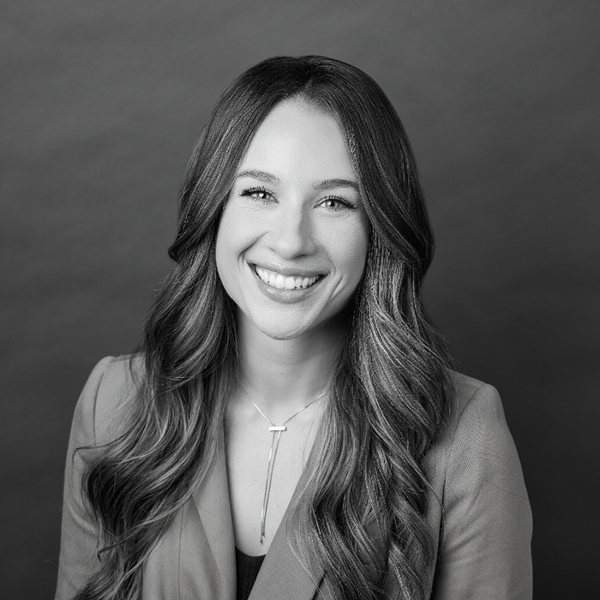
Lerra Kopper
Guest
About the Podcast
Share
Authors
By: Lera Kooper
Lera is the Chief Operating Officer and Co-Owner of Proactive Advisory Group, an award-winning firm intent on helping others get more out of their business. As a nationally recognized entrepreneur and innovator, her mission is to be a thought leader in the modernization of firms. She employs a combination of systems, processes, technologies, and philosophies to best prepare her firm, as well as others across the industry, to deliver personalized, forward-looking client care at scale. By championing best practices in client onboarding, communication, scope management, and strategic planning, she empowers tax, CAS, and advisory teams to help owners get more out of their business.
Read more by LeraDiscover more like this